
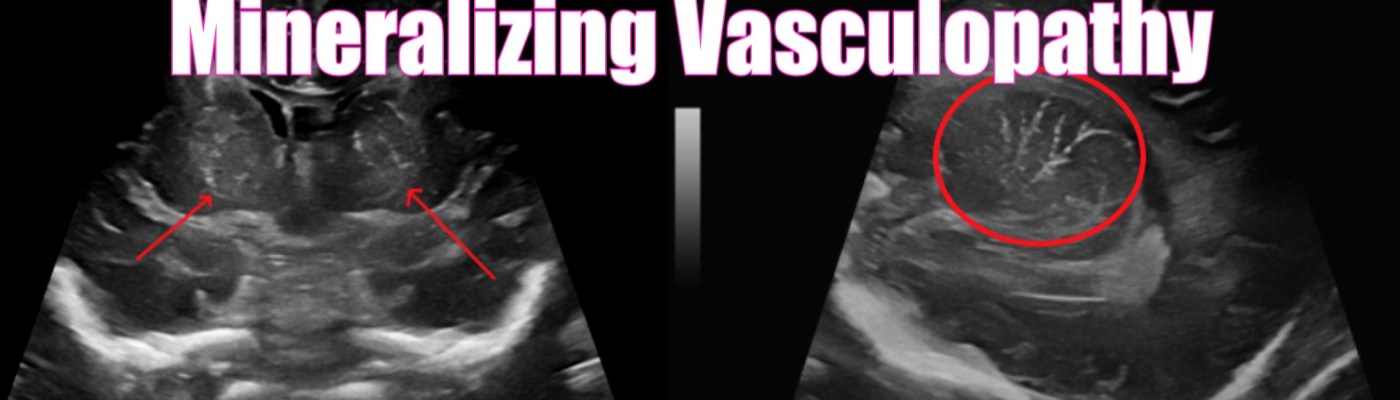
Mineralizing lenticulostriate vasculopathy (MLSV) is a medical condition that primarily affects the blood vessels in the brain, specifically the lenticulostriate arteries.
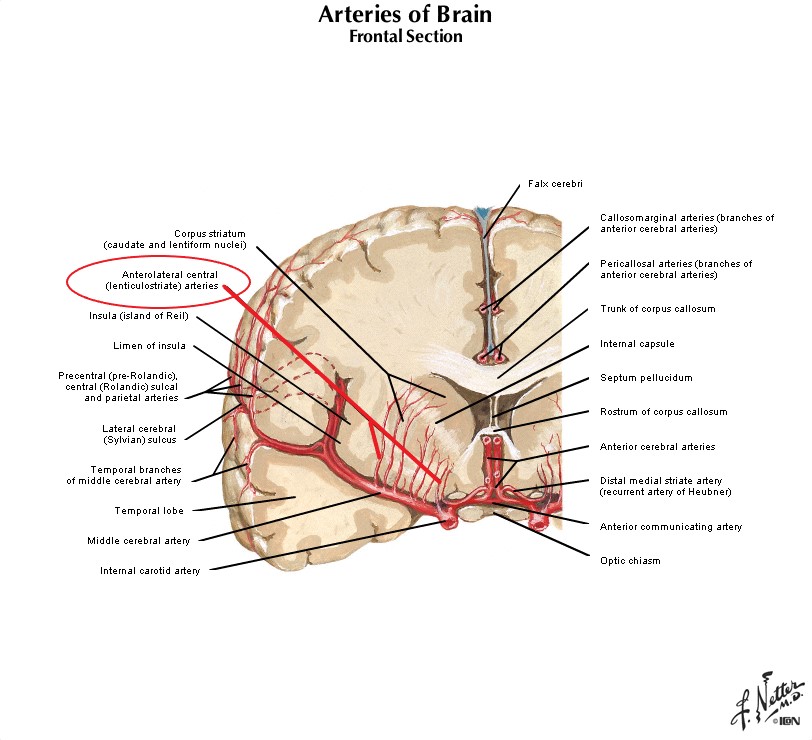
These arteries are small, deep branches of the middle cerebral artery, and they supply blood to various deep brain structures, including the basal ganglia.


Here are some key points to know about mineralizing lenticulostriate vasculopathy:
- Calcification and Mineralization: MLSV is characterized by the calcification and mineralization of the lenticulostriate arteries. Calcification is the process by which calcium salts build up in the walls of blood vessels. This can lead to the arteries becoming stiff and less flexible.
- Location: The mineralization typically occurs in the basal ganglia, which is a set of deep brain structures involved in motor control, cognition, and other functions.
- Presentation: Usually seen on routine postnatal brain ultrasound incidentally.
- Symptoms: MLSV is often asymptomatic, However, in some cases, it can cause neurological symptoms, including motor deficits, seizures, and developmental delays, especially in infants and young children.
- Diagnosis: Diagnosis of MLSV is typically made through medical imaging, such as Ultrasound CT scans or MRI, which can show the calcification and mineralization of the lenticulostriate arteries.
- Underlying Causes: The exact cause of MLSV is not well understood. It may be associated with certain genetic factors or other underlying medical conditions such as TORCH infection, congenital cytomegalovirus (CMV) infection, perinatal hypoxia, and chromosomal anomalies.
Henry Suarez RDMS, RVT
 Sonographic Tendencies